The Trade-Off Behind “Sterilization”
For decades, oral care advice focused on eliminating as many bacteria as possible. Strong antiseptic rinses became part of daily routines, often reinforced by sensations such as burning or tingling.
More recent research, including publications in Frontiers in Cardiovascular Medicine, suggests this approach may involve a biological trade-off that was previously underappreciated.
Broad antiseptics do not distinguish between harmful bacteria and beneficial strains — including nitrate-reducing bacteria, which play a role in the body’s nitric oxide signaling pathway.
Nitric oxide is involved in vascular signaling and blood flow regulation. When nitrate-reducing bacteria are disrupted, researchers observe changes in how this pathway functions — which is why this topic continues to receive scientific attention.
A Shift Toward Supporting Balance
Rather than continuous sterilization, many clinicians are now exploring approaches that aim to support microbial balance instead of eliminating all bacteria indiscriminately.
One approach being studied involves slow-dissolve delivery systems, designed to introduce beneficial strains directly into the oral environment, rather than relying on swallowed capsules.

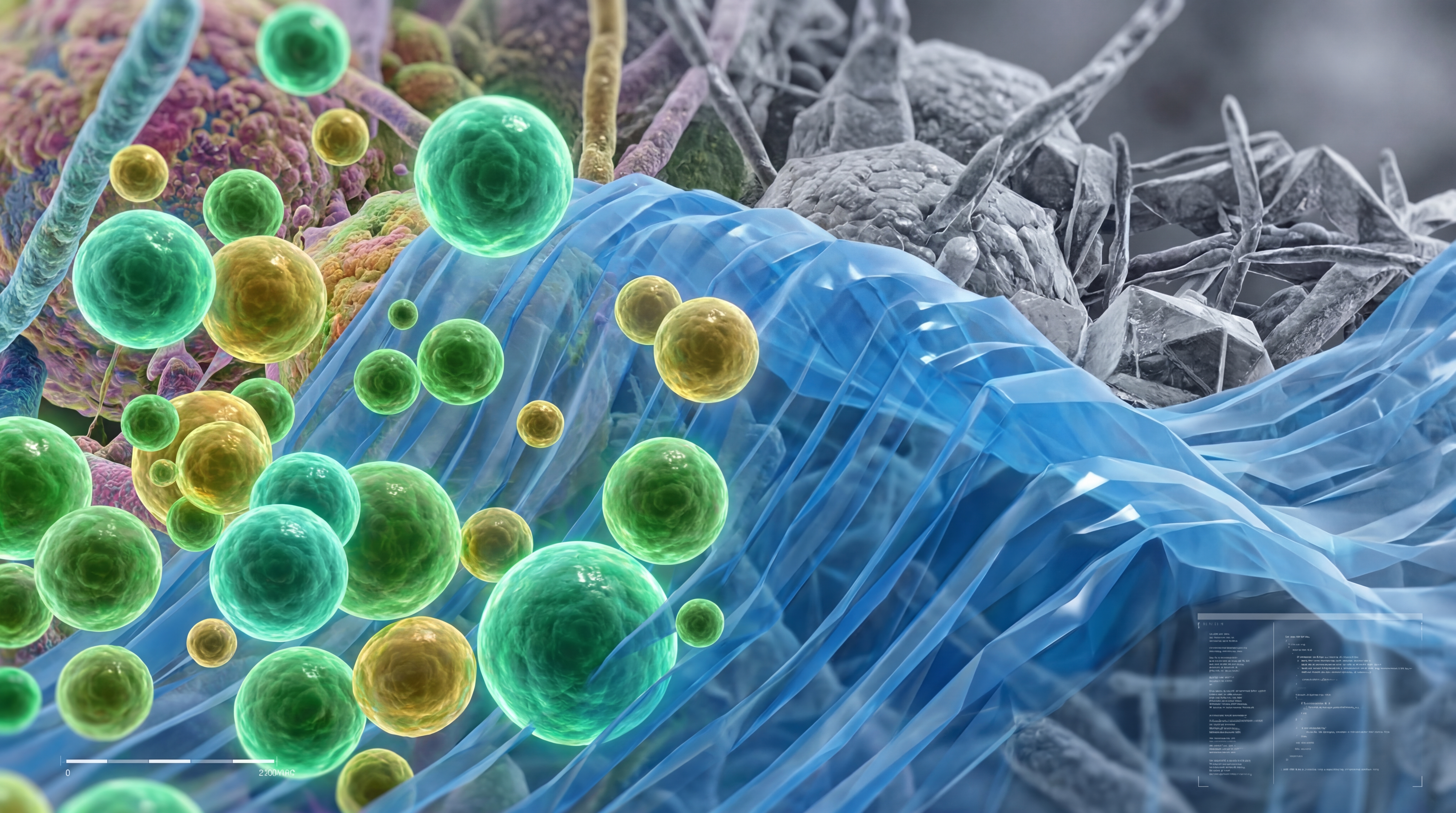
Conceptual illustration: gradual support of beneficial oral bacteria.
These systems focus on localized interaction. The goal is not instant change, but gradual adaptation over time.
Notes on Multi-Strain Formulations
Some formulations combine multiple strains that have been studied in oral and respiratory contexts, including:
- Lactobacillus Paracasei – associated with gum support.
- B. Lactis BL-04 – researched for oral bacterial balance.
- Lactobacillus Reuteri – examined for inflammatory response.
- BLIS K-12 & BLIS M-18 – strains researched for oral cavity support.